Scam guide
Payment App Scam
Learn how payment app scams use fake requests, mistaken payments, urgent favors, and impersonation to get people to send money.
Who this helps
This guide helps anyone who uses payment apps to send money to friends, sellers, service providers, or online contacts.
How Payment Requests Become Hard To Question
Payment app scams often feel personal because the request may appear to come from a friend, buyer, seller, romantic interest, landlord, helper, or family member. The amount may be framed as a deposit, emergency favor, refund, fee, delivery cost, or quick correction. Payment apps are useful because they are fast, but speed can also make it easier to act before checking. A copied profile photo, familiar name, or emotional story may be enough to make a request feel real in the moment.
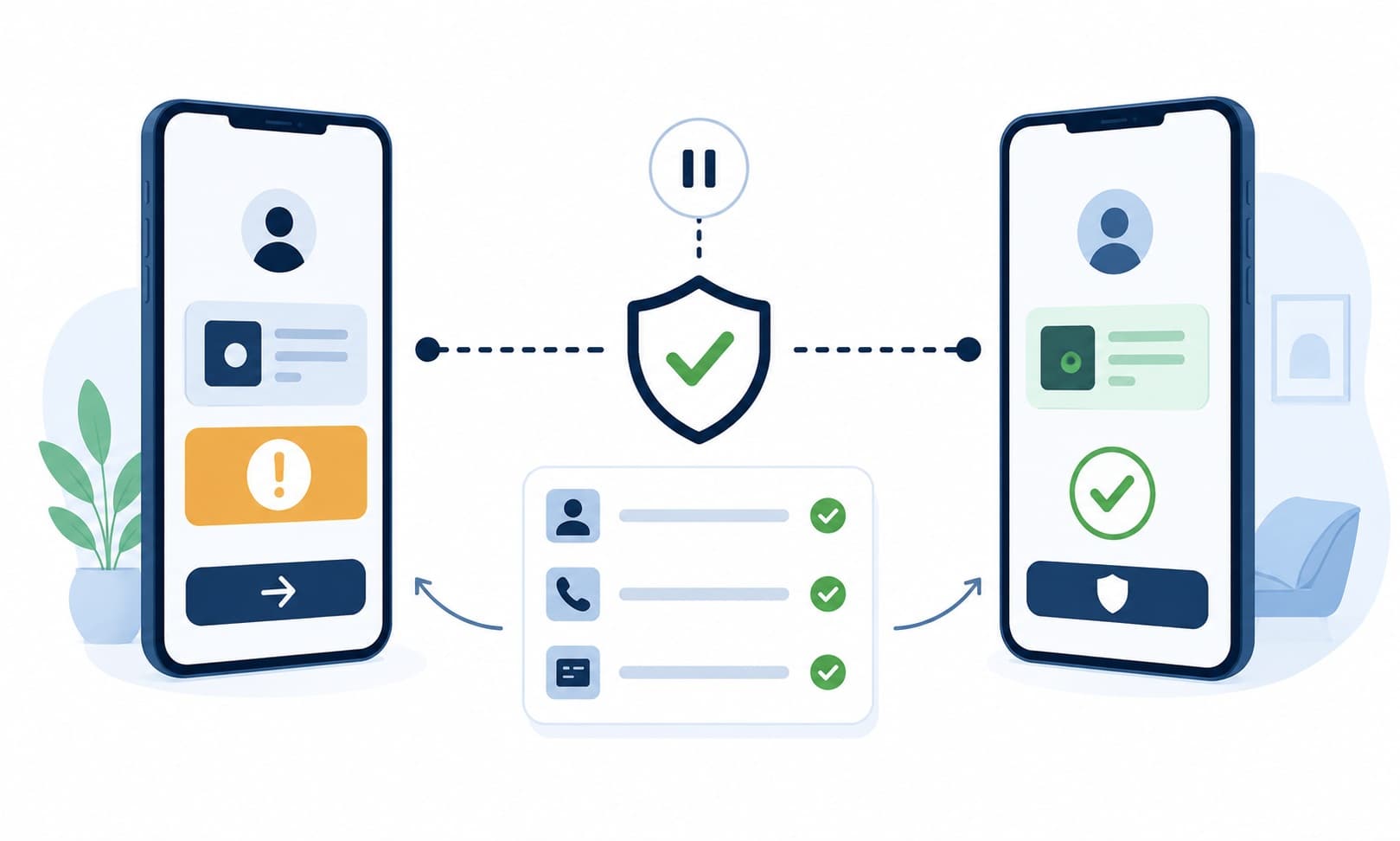
The safest habit is to treat payment app transfers like real money leaving your hands. Before paying, verify who is asking, why they need it, and whether the payment method fits the situation. Use a separate channel for friends and family. For buying or selling, stay inside the platform's official payment process when one exists. If the person becomes angry, rushed, or secretive when you slow down, that is a reason to pause rather than a reason to pay.
What this scam looks like
A payment app scam may start with a direct request, fake invoice, marketplace deal, social media message, romance conversation, job task, or emergency story. The sender may ask for a small amount first, then request more. Some scams involve a message that appears to come from someone you know, but the account may be copied, taken over, or only similar-looking.
Another common pattern is the mistaken payment story. Someone says they sent money to you by accident and asks you to send it back, often to a different account. Do not rush. Use the payment app's official help tools and support guidance instead of following the stranger's instructions.
Common examples
- A social media friend asks for a quick payment because of an emergency.
- A seller demands a deposit through a payment app before you can see the item.
- A buyer says they overpaid and asks you to send the extra amount back.
- A stranger says they sent money by mistake and wants it returned immediately.
- An online dater asks for money for travel, bills, fees, or a sudden crisis.
- A fake support message says you must send a payment to unlock or verify an account.
- A job contact asks you to pay for supplies or fees through a payment app.
How to verify safely
- Contact friends or family through a known phone number before sending money.
- Check the exact payment app username, phone number, or profile before confirming.
- Use official marketplace checkout or platform payment tools when buying or selling.
- Read the payment app's official help guidance for mistaken payments or refunds.
- Do not ignore warnings shown by the payment app.
- Avoid sending money to someone you only know from messages, especially under pressure.
- Ask a trusted person to review the situation before sending a payment that feels urgent.
Warning signs
- Someone asks you to send money through a payment app before you can verify who they are.
- A person claims they sent you money by mistake and asks you to send it back another way.
- A seller, buyer, or online contact refuses safer platform payment options and pushes a direct app payment.
- You are told the payment is needed immediately for an emergency, fee, deposit, or account problem.
- The request comes from an account name, photo, or handle that could be copied or impersonated.
- The person asks you to ignore app warnings or mark a payment as something it is not.
Questions to ask
- Do I personally know and trust the person receiving the money?
- Can I verify the request through a separate channel before paying?
- Is this payment connected to a seller, job, romance, or emergency story I have not confirmed?
- Am I being asked to send money in a way that removes normal platform protections?
- Did I check the exact username, phone number, or account before sending?
Safer next steps
- Pause before sending money through a payment app to someone you do not know well.
- Verify requests from friends or family through a separate channel, such as a known phone number.
- Use the official marketplace or platform payment process when buying or selling online.
- Do not send money back from an unexpected payment without checking the app's official help guidance.
- Review the recipient details carefully before confirming a payment.
- Talk to a trusted person before sending money under pressure.
What to do if you already clicked, paid, or shared information
- Stop sending money and do not agree to additional fees, refunds, or corrections.
- Contact the relevant bank, platform, employer, or agency through an official channel.
- Use the payment app's official support or transaction tools to report the payment if available.
- Save usernames, messages, payment notes, dates, and transaction details for your records.
- If the request came from someone you know, contact them through a separate trusted channel.
- Ask your bank or payment app what options may be available for the payment type.
- Be cautious of anyone who later claims they can recover the money for a fee.
How to report it
- Report the transaction or account through the payment app's official reporting tools.
- Report copied or impersonated social media accounts on the platform where they appeared.
- Use official consumer-protection or fraud-reporting channels in your region.
- Tell the real person through a separate channel if their name or photo was used.
- Visit the site's /reporting page for general reporting reminders.
Common questions
What should I do if someone asks me to send money through a payment app?
Pause and verify who is asking through a separate channel. Be especially careful if you do not know the person well or the request is urgent.
How can I tell if a payment app request is from my friend?
Do not rely only on the profile name or photo. Contact your friend through a known phone number or another trusted channel before sending money.
What should I do if someone says they paid me by mistake?
Do not rush to send money back. Use the payment app's official help or support guidance for mistaken payments.
Should I pay a marketplace seller with a direct payment app transfer?
Be cautious. If a marketplace has an official checkout or payment process, staying inside that process may give you clearer records and platform support options.
What should I do if I already sent money?
Stop communicating, save the transaction details, and contact the payment app or bank through an official channel to ask what options may be available.