Scam guide library
Learn the warning signs before pressure takes over.
Choose a guide to understand how the scam works, what questions to ask, and which safer next steps can help you verify calmly.
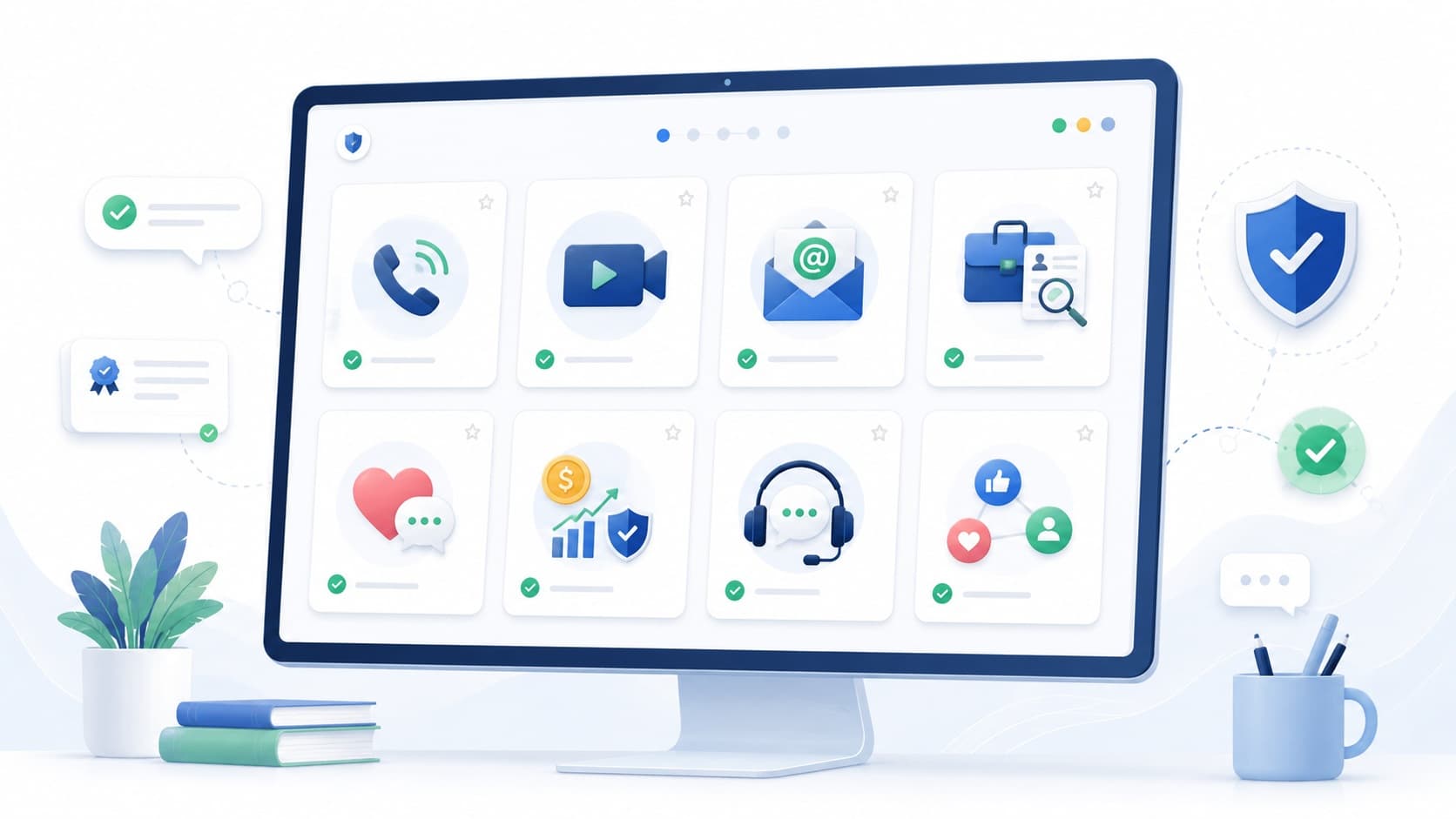
Scam education guide library
Plain-English guides to AI-assisted scams, online fraud, and pressure tactics.
Scam messages, fake accounts, and urgent payment requests often work because they feel personal, familiar, or time-sensitive. AI can make those situations harder to judge by helping scammers write polished messages, copy voices, generate convincing images, or personalize fake job offers, romance stories, investment pitches, and customer support warnings.
These scam guides explain common warning signs for phishing messages, AI voice cloning, deepfake video, fake job offers, romance scams, crypto and investment scams, fake customer support, and social media impersonation. Each guide focuses on safer questions to ask and practical ways to verify through known channels before you click, pay, reply, invest, apply, or share private information.
Want realistic examples?
The scenario library uses fictional stories to show how pressure, secrecy, unusual payment requests, fake support, and copied identities can feel in the moment.
Browse scenarios
AI Voice Cloning
A caller may sound like someone you know and pressure you to send money or keep a secret.
Learn warning signs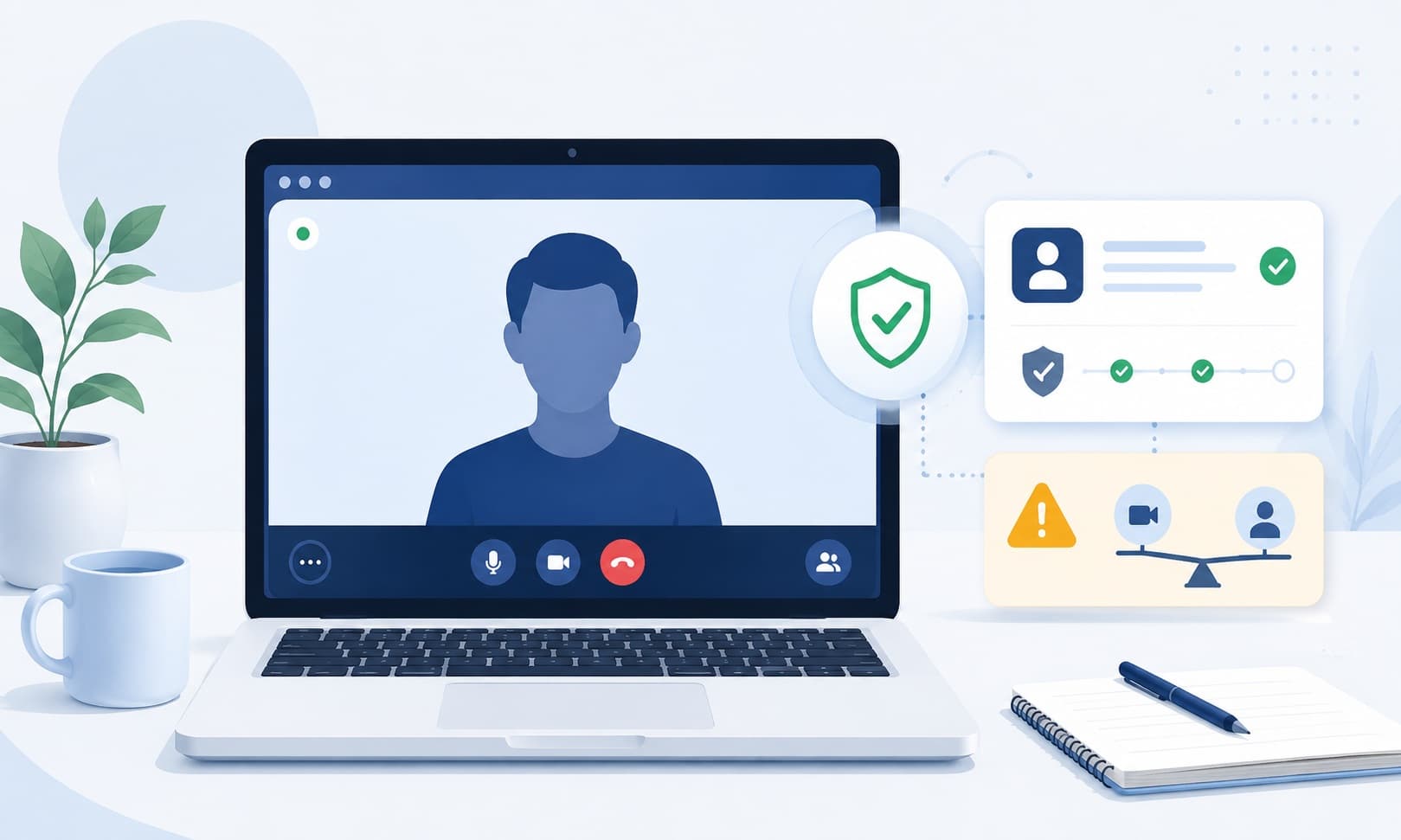
Deepfake Video
Video or live-call images can be altered or generated, especially when urgency and money are involved.
Learn warning signs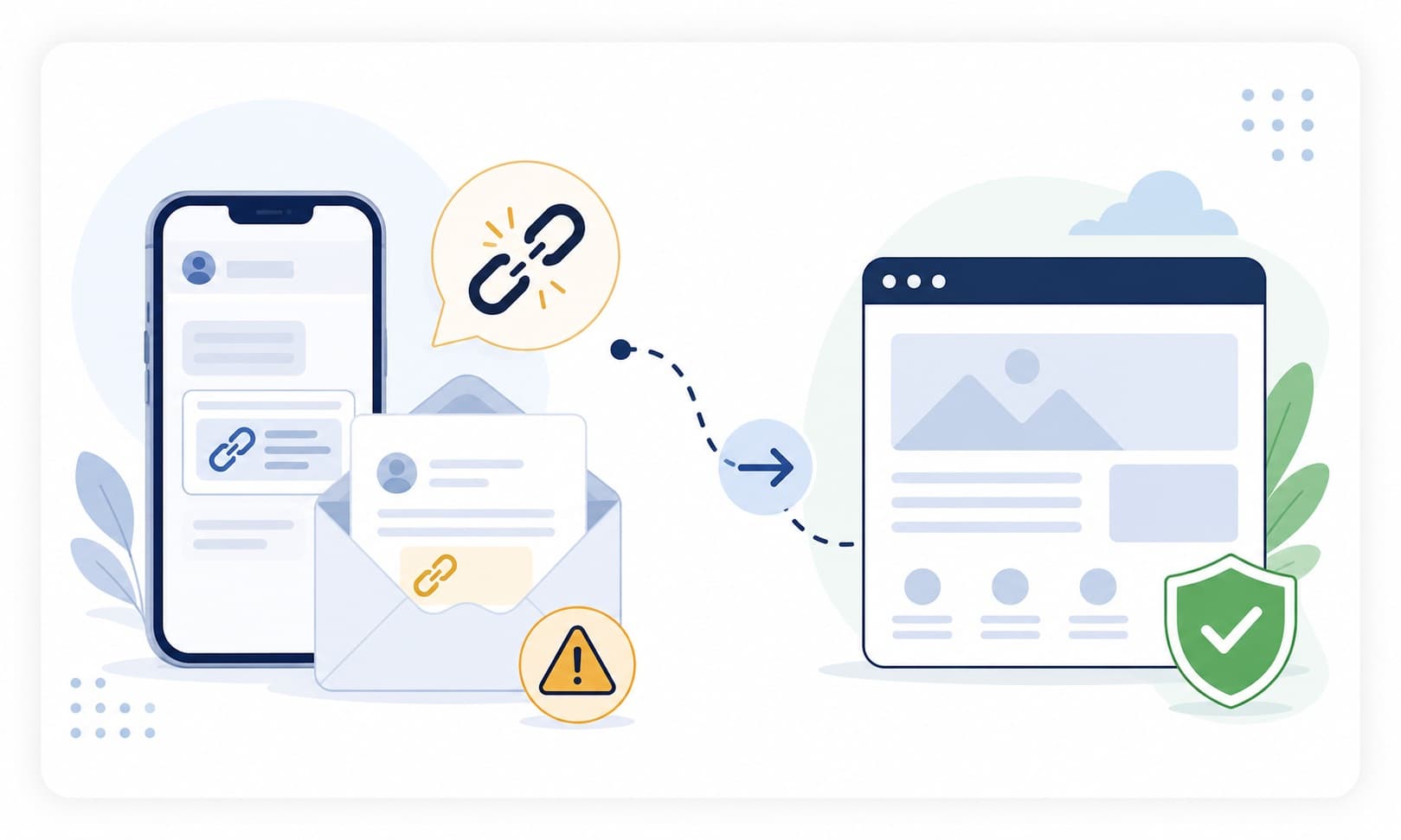
Phishing Messages
Fake emails, texts, QR codes, or social messages try to get you to click, sign in, or share information.
Learn warning signs
Fake Job Offers
Fake recruiters can use AI-written messages, copied company branding, and quick interviews to look real.
Learn warning signs
Romance Scams
A person builds trust, creates emotional pressure, and may later ask for money or investment help.
Learn warning signs
Crypto And Investment Scams
Scammers may use convincing dashboards, AI-written messages, and fake expert claims to create false confidence.
Learn warning signs
Fake Customer Support
Fake support popups, calls, and search ads can impersonate banks, tech companies, stores, or platforms.
Learn warning signs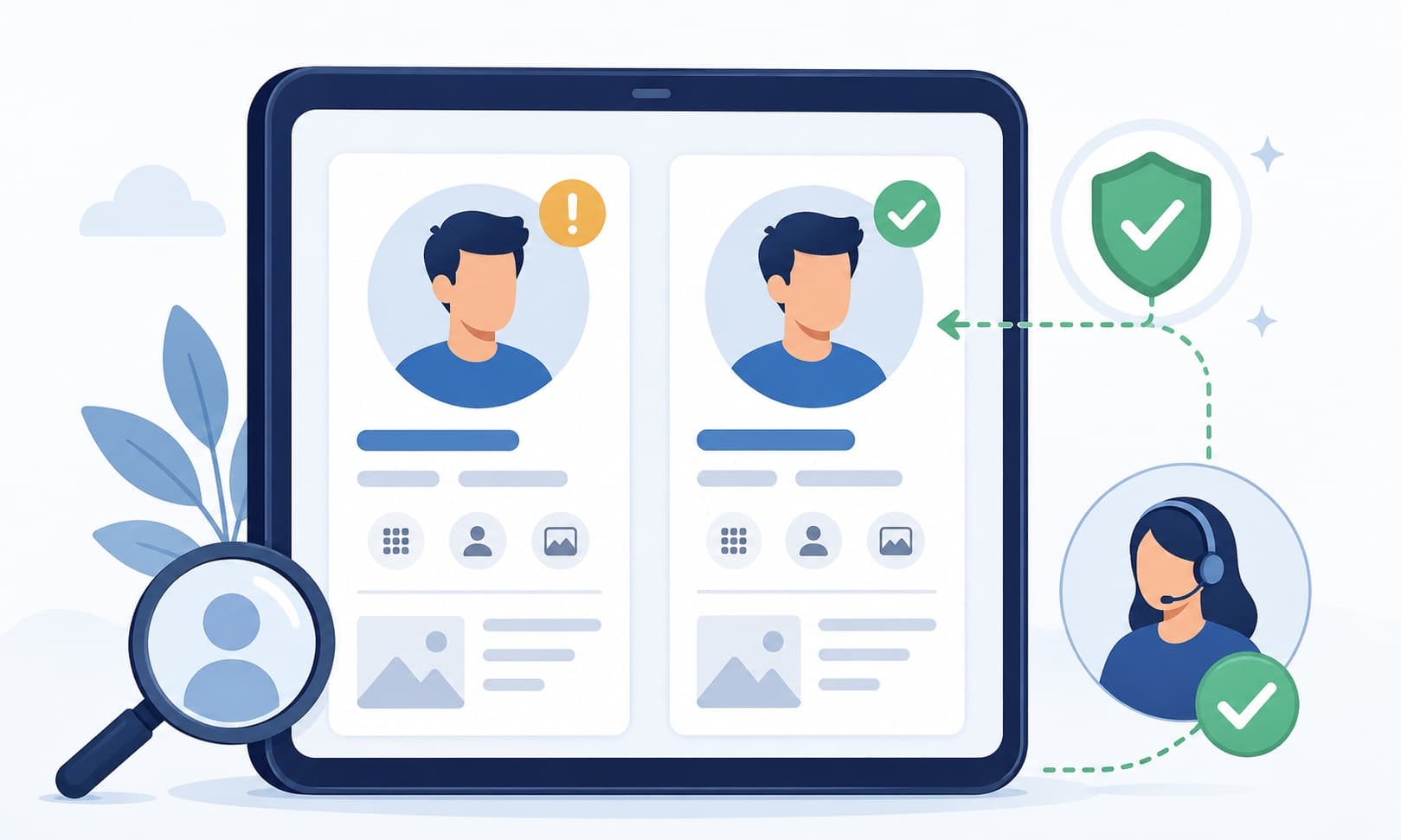
Social Media Impersonation
Copied profiles and AI-written messages can make fake accounts sound like people, brands, or leaders you trust.
Learn warning signs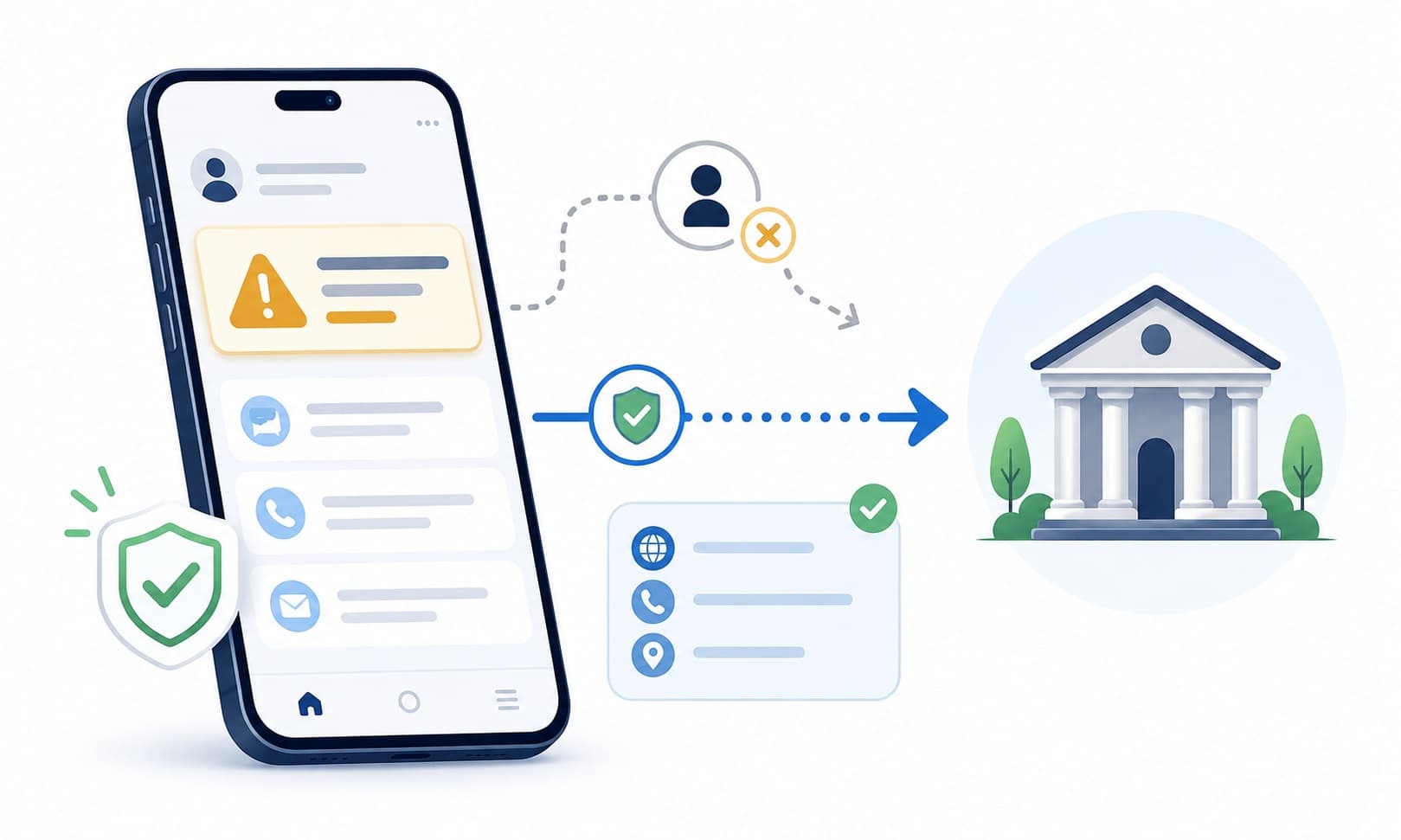
Bank Impersonation Scam
Learn how fake bank alerts and urgent account messages pressure people to click, share codes, or move money before they can verify.
Learn warning signs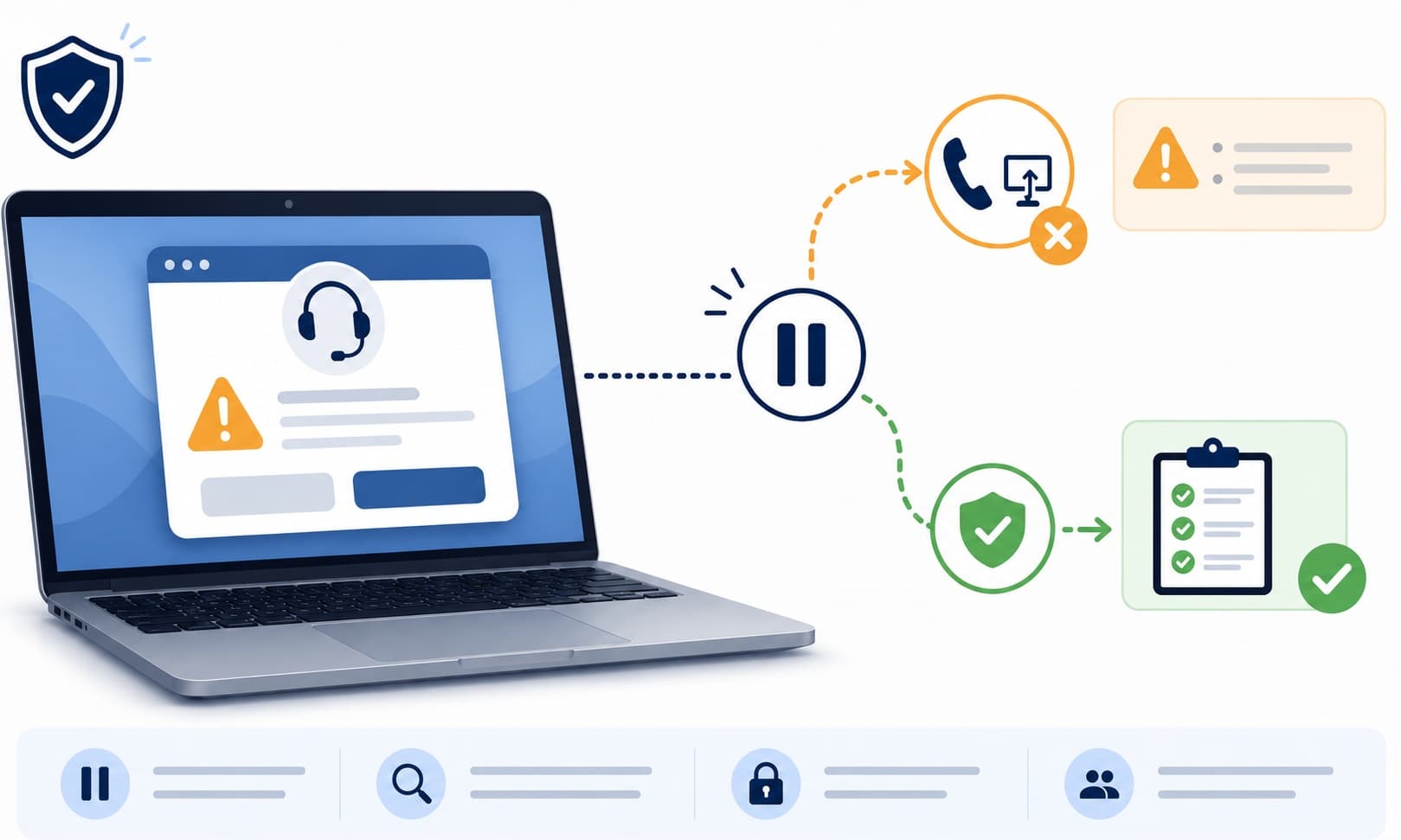
Tech Support Scam
Learn how fake support popups, calls, and messages pressure people into paying, sharing access, or revealing private information.
Learn warning signs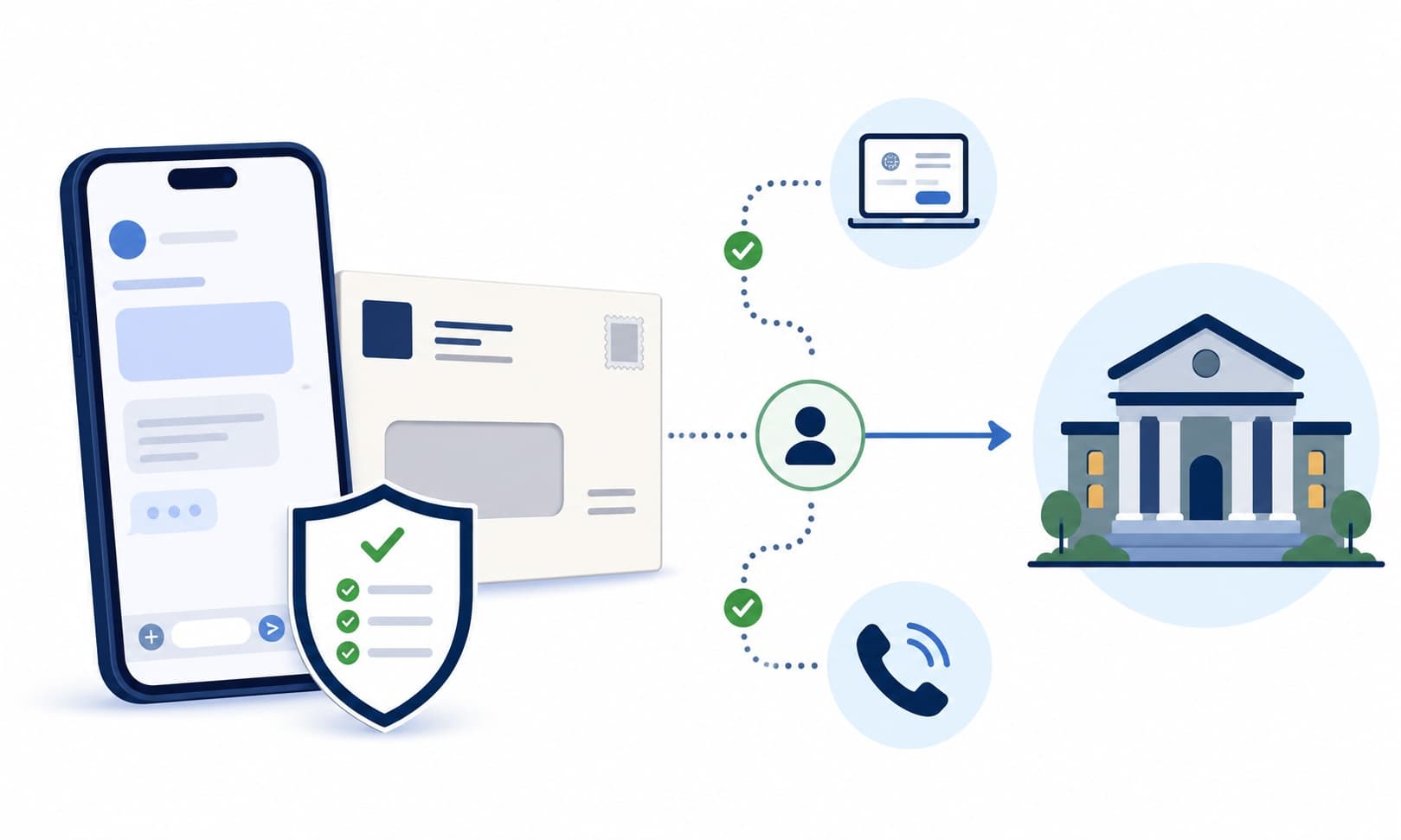
Government Impersonation Scam
Learn how fake agency messages use official-sounding language to pressure people into paying, sharing information, or calling back.
Learn warning signs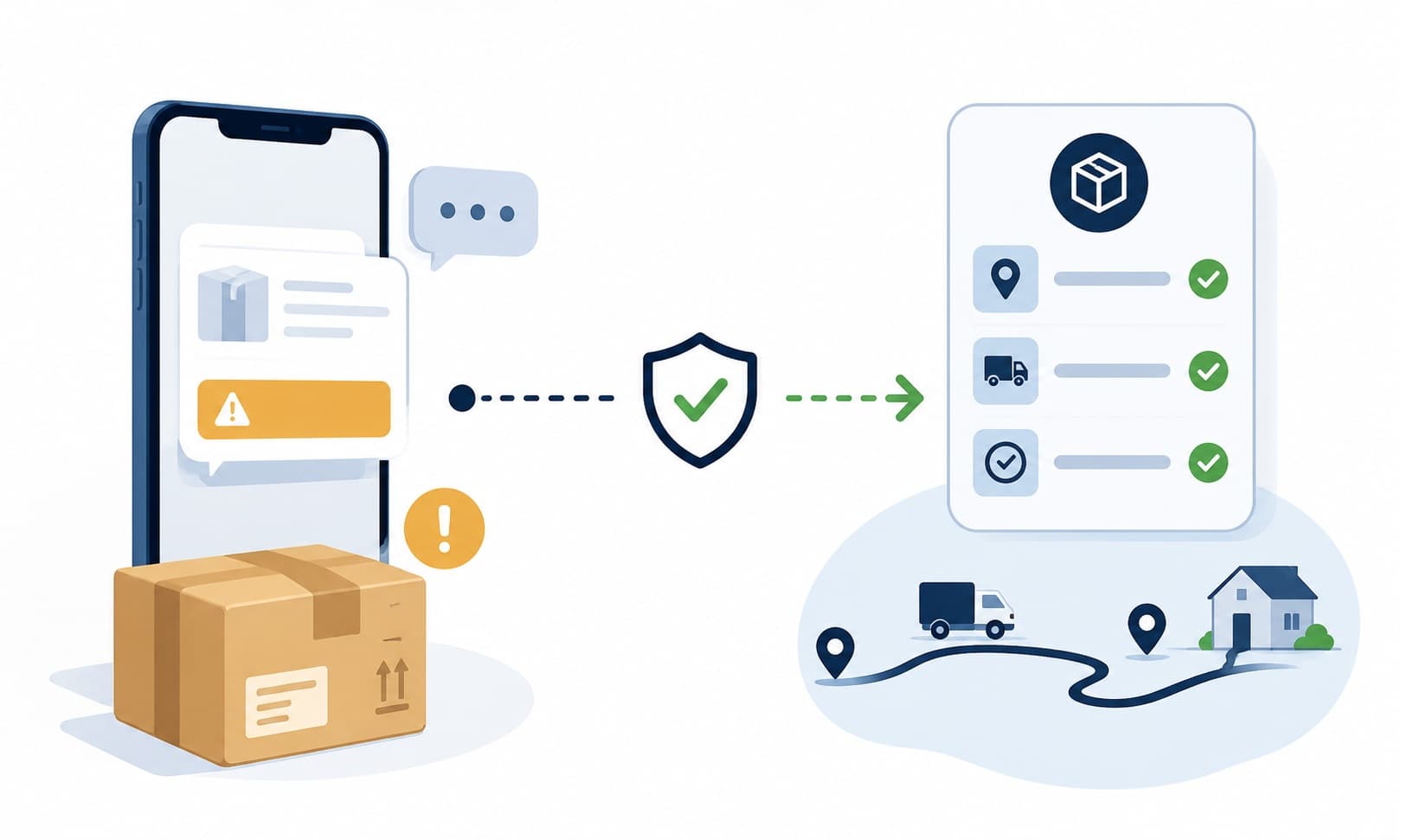
Package Delivery Scam
Learn how fake delivery texts and emails use missed packages, address problems, or small fees to get clicks and personal details.
Learn warning signs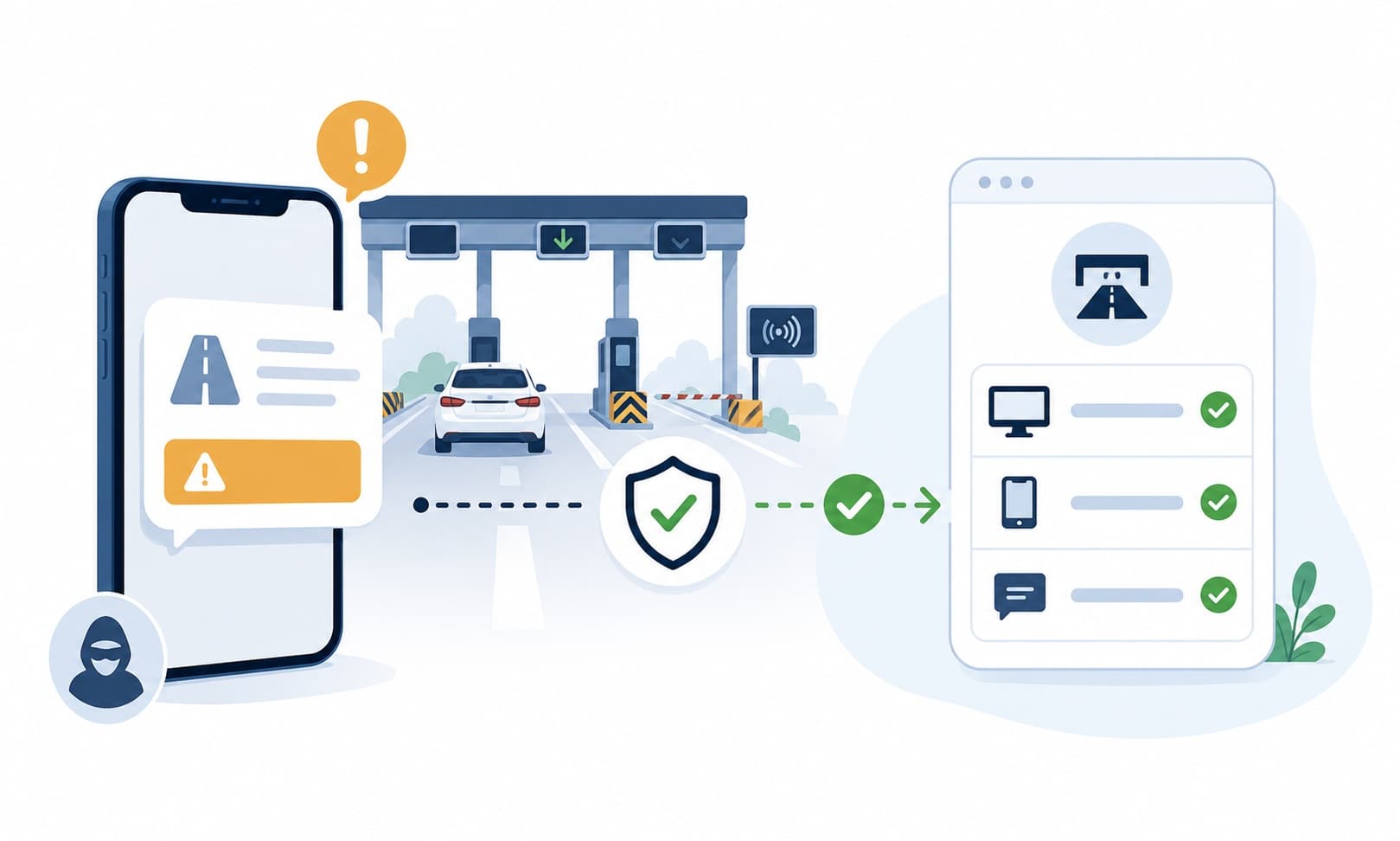
Toll Payment Scam
Learn how fake toll messages use small unpaid balances and quick deadlines to pressure drivers into clicking or paying.
Learn warning signs
Payment App Scam
Learn how payment app scams use fake requests, mistaken payments, urgent favors, and impersonation to get people to send money.
Learn warning signs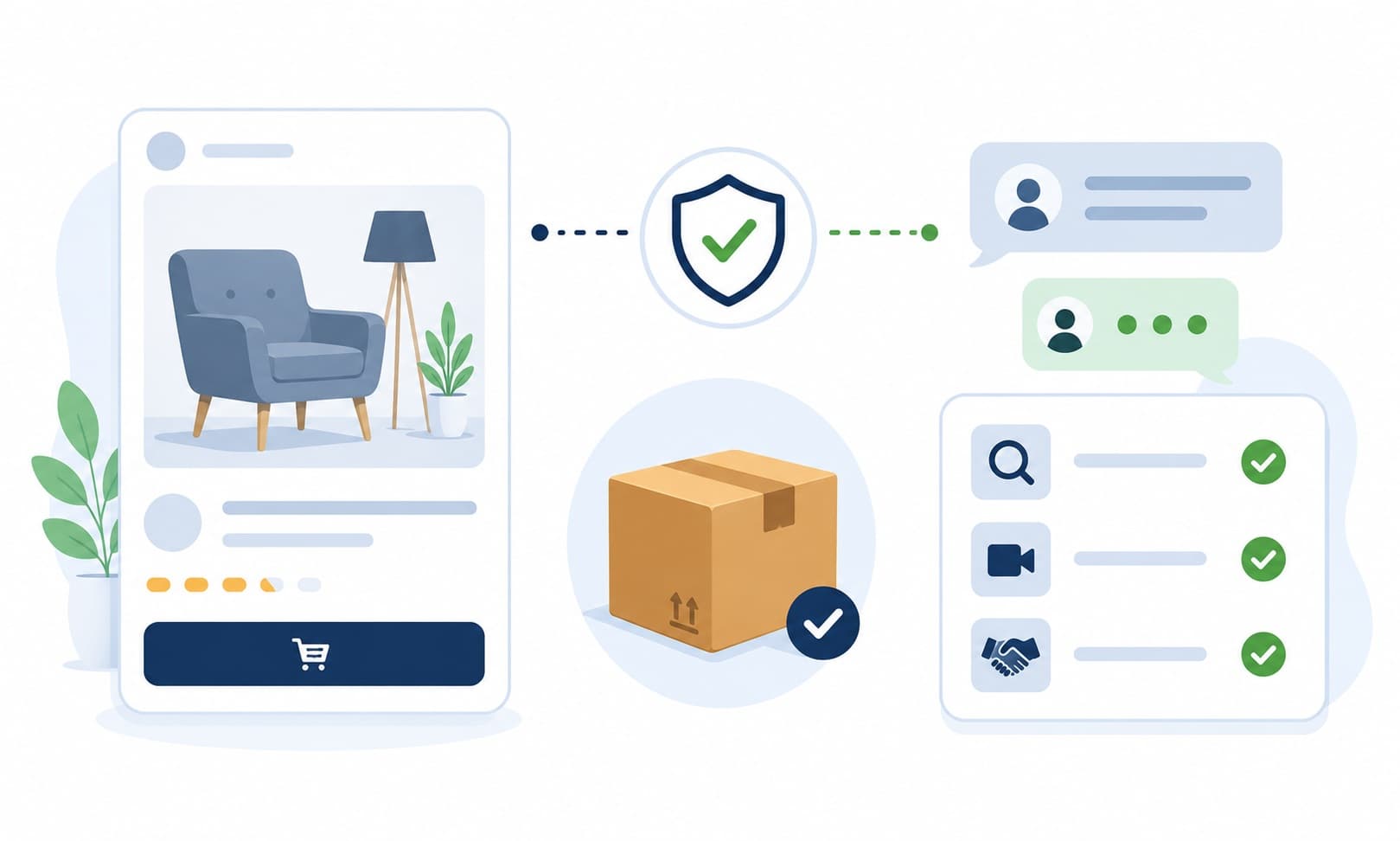
Fake Marketplace Listing
Learn how fake listings use low prices, rushed deposits, copied photos, and off-platform messages to pressure buyers or sellers.
Learn warning signs
Fake Check Scam
Learn how fake check scams use overpayments, job supplies, prizes, and refunds to make people send real money back.
Learn warning signs
Task Scam
Learn how fake task jobs promise easy income but pressure people to pay fees, complete ratings, or keep adding money.
Learn warning signs
Recovery Scam
Learn how fake recovery helpers target people after a loss by promising refunds, tracing, or special access for upfront fees.
Learn warning signs
Sextortion Scam
Learn how sextortion threats use shame and urgency to pressure people into paying, sending more images, or staying silent.
Learn warning signs
Business Email Compromise
Learn how fake business emails pressure teams to change payments, send files, buy gift cards, or act without normal checks.
Learn warning signs